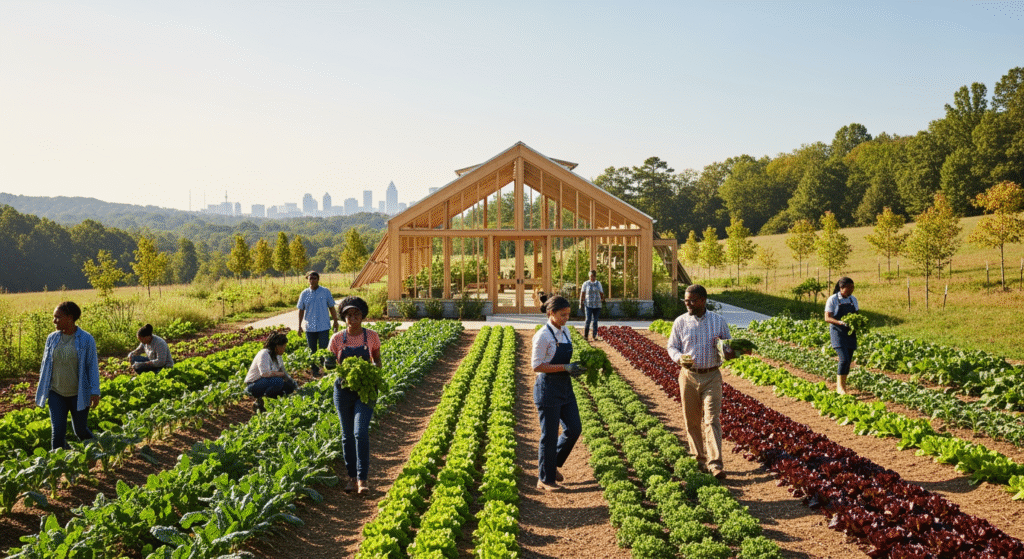
When I began hunting for a minority-owned sustainable farm near Atlanta, I wanted clear practices, fair pricing, and meat raised without shortcuts. I also checked guidance from established authorities to make sure my choices were safe and sustainable, including resources from the USDA for best practices and national trends in agriculture USDA. Over time I learned what to look for, how to vet claims like “pasture-raised” and “non-GMO,” and how a local sustainable farm can make a real difference for families across Atlanta and nearby neighborhoods.
Why minority-owned sustainable farms matter to this city
Supporting minority-owned farms is about more than fairness. It brings diversity to the local food system, helps close gaps in food access, and keeps money circulating in the region. In Atlanta, neighborhoods from East Atlanta Village to West End and Decatur have growing interest in farm-to-table food sources. When a farm combines sustainable methods with culturally informed food ways, it can supply restaurants, markets, and families who want both quality and accountability.
What sustainable pasture-raised practices look like
“Pasture-raised” should mean animals spend significant time grazing outdoors on fresh pasture, rotated frequently to protect soil and plant diversity. True sustainable farms pair pasture-based animal care with soil-restoring techniques, reduced chemical inputs, and careful water management. On the ground, that looks like:
- Rotational grazing to prevent overuse of any single field and improve soil health.
- No routine antibiotics and a clear policy on hormones or synthetic additives.
- Non-GMO feed options for the animals when supplemental feed is necessary.
- Systems to capture and reuse rainwater and to reduce runoff into nearby streams.
These practices are not just marketing terms. They affect flavor, nutrient profiles, and long-term resilience of farmland around Atlanta. If a farm documents its routines—photos of pasture rotation, feed receipts, or veterinarian notes—you’re looking at a supplier that values transparency.
How to spot truly non-GMO, pasture-raised meat in the marketplace
Labels can be confusing. “Natural,” “free-range,” and “grass-fed” are not regulated consistently. Here’s how I separate wheat from chaff when shopping for meat raised without GMOs and with real pasture access:
- Ask about feed sources and request confirmation that supplemental feed is non-GMO. A trustworthy farm will tell you where their feed comes from or offer documentation.
- Look for photos or videos of animals on pasture, not just staged images. Regular updates on social channels or a farm blog indicate openness.
- Ask about herd/flock health protocols. Farms committed to minimal intervention will describe natural health practices and occasional targeted veterinary care rather than routine antibiotics.
- Check whether the farm offers direct-to-consumer options like CSA shares, farm stands, or farmers market stalls—these reduce the chance of supply-chain obfuscation.
When producers are eager to answer questions and share how they manage pastures and feed, that’s a strong sign the claims are grounded in daily practice and not just packaging.
How sustainable farms help neighborhoods across the city
Farmers in and near Atlanta serve a wide mix of communities. From families in neighborhoods near the BeltLine to residents around Inman Park and Candler Park, access to local meat and produce reduces reliance on long supply chains and often improves freshness and flavor. Sustainable farms can also:
Improve food access
By offering CSA shares, weekly pickups, and partnerships with local markets, farms make it easier for busy Atlantans to get quality ingredients without long trips. Community-supported models also stabilize farm income and let customers play a role in sustaining production.
Boost local economies
Money spent at a nearby farm tends to return to the region through local hires, purchases of supplies, and collaborations with chefs and grocers. For minority-owned operations, that multiplier effect can be especially meaningful for historically underserved communities.
Trends shaping sustainable farming right now
Two trends are especially relevant for anyone searching for a reliable local farm in this area. First, regenerative agriculture continues to gain traction. Practitioners are moving beyond “do no harm” to actively rebuild soil health and biodiversity, which improves forage quality and lowers feed costs over time. Second, demand for pasture-raised animal products has risen sharply as consumers prioritize flavor and traceability. These shifts are driving more farms to adopt rotational grazing, diversified crops, and direct sales models that connect farmers directly to metro customers.
Local statistics that matter
Consumer interest in pasture-raised and sustainably produced meat has increased nationwide, and demand signals are visible in this region as well. Choosing suppliers who follow documented sustainable practices helps meet that demand while supporting resilience in the local food system. For a broader view of agricultural trends and consumer guidance, resources from federal agencies explain how practices like pasture-raising and non-GMO feed affect production and supply chains.
Common problems people face and how a local sustainable farm solves them
Here are a few repeat issues I’ve heard from friends and neighbors when they first try to buy pasture-raised, non-GMO meat, and how a committed local farm can help:
Confusing labeling
Many shoppers are bewildered by inconsistent labels. A farm that communicates its practices clearly—explaining feed composition, pasture rotation, and animal care—removes guesswork and builds trust.
Price sensitivity
Pasture-raised meat often costs more than commodity options. Farms that offer mixed buying plans—smaller cuts, frozen options, or occasional specials—make ethical choices more accessible. Joining a CSA or sharing a bulk order with neighbors can lower per-person costs.
Supply reliability
Some customers worry about seasonal availability. Farmers who publish harvest and processing schedules let buyers plan in advance and avoid surprises. Consistent communication—email updates, pickup schedules, and market notices—creates reliability.
Practical steps to buy, store, and cook pasture-raised meat
Buying sustainable meat is only part of the solution; handling it well keeps food safe and delicious. I use these simple steps every time I bring home meat from a local farm:
- Buy in bulk when there’s a sale and freeze properly. Flash-freezing by the farm or getting vacuum-sealed packages extends shelf life without flavor loss.
- Label packages with the cut and date, then rotate stock so older packages are used first.
- Let pasture-raised beef rest before carving; because pasture beef can be leaner, resting reduces dryness. For poultry, use a thermometer to ensure safe internal temperatures without overcooking.
- Try slow braises and ground-beef recipes that emphasize flavor for slightly leaner cuts.
How to vet a minority-owned sustainable farm near Atlanta
When I evaluate a local farm, I take a few minutes to get the facts straight and build confidence. Here’s a simple checklist I follow before committing to a purchase or CSA share:
First, ask direct questions about animal welfare, feed sources, and pasture management. Second, look for signs of transparency—regular market appearances, community events, or open farm days where you can see conditions in person. Third, review purchasing options and flexibility. A farm that adapts to customer needs—offering single cuts, mixed boxes, or custom orders—usually has better service and supply planning.
Simple ways to support local sustainable farms in this area
Even small actions help. If you appreciate the stability and quality a local farm provides, consider these straightforward steps that amplify impact:
- Buy directly when possible at a farmers market or farm stand to keep margins with the producer.
- Share your experience with neighbors and on social feeds to boost visibility for farms doing things right.
- Join a CSA or place a recurring order to provide predictable income that helps the farm plan responsibly.
- Volunteer at a farm event or attend an open day to learn more about practices and build relationships.
What to ask during a farm visit or market conversation
If you have the chance to visit a farm or speak with someone at a market table, these questions give useful insight without making the conversation awkward:
- How often are animals rotated between pastures?
- What is your feed composed of, and is any feed certified non-GMO?
- How do you handle animal health and veterinary care?
- Do you offer pickup, delivery, or shipping options for customers across Atlanta?
Answers to these questions reveal how a farm balances ethics, economics, and practicality—information that matters for long-term relationships between producers and the city’s diners, chefs, and families.
Final thoughts and next steps
Finding a minority-owned sustainable farm near Atlanta that meets your standards takes a little research and one-on-one conversation, but it’s worth the effort for better flavor, clearer sourcing, and stronger community ties. I encourage you to visit a local farm stand or join a mail list to get seasonal updates. If you want a dependable source for non-GMO, pasture-raised meat with a clear community focus, consider connecting with Caribe United Farm for product options, pickup locations, and ways to support sustainable agriculture in Atlanta.